
Top-Rated Products for Foundation Stabilization and Repair
Browse through highly recommended tools and materials designed to effectively address foundation settling and cracking issues.
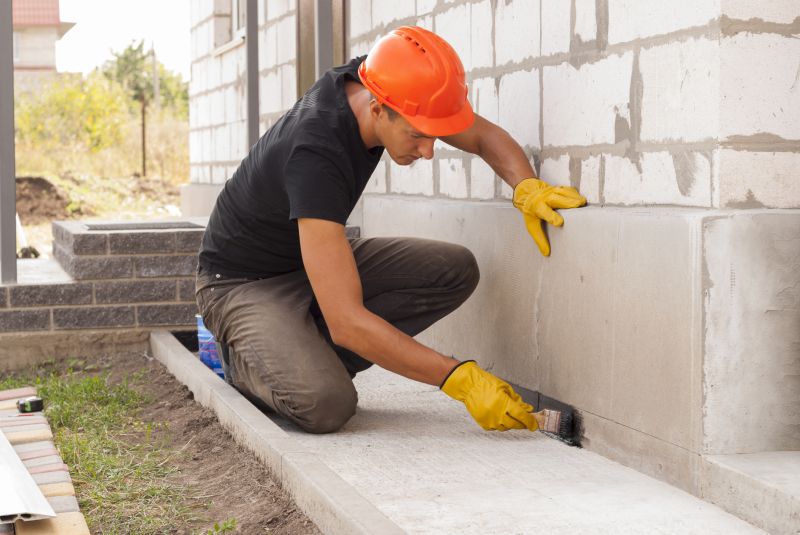 Foundation repairs are a critical aspect of maintaining the structural integrity of a building, especially in areas prone to soil movement or moisture fluctuations. When addressing foundation issues, a variety of products are available to suit different types of damage and repair needs. These products range from simple repair kits to advanced underpinning systems. Selecting the right tools and materials requires understanding the specific problem, the type of foundation, and the severity of the damage.
Top Overall Option
Polyurethane Foam Injection System
Polyurethane foam injection systems are versatile and widely used for addressing minor to moderate foundation issues such as cracks and void filling. These systems are easy to apply, minimally invasive, and can quickly stabilize areas affected by soil settlement or minor shifting. They expand upon injection, providing an effective seal and lift without extensive excavation. Suitable for residential repair projects, polyurethane foam offers a practical solution for homeowners seeking a non-invasive, fast-acting product with reliable performance.
Types of Products For Foundation Repairs
Epoxy Injection Kits
Designed for sealing cracks and restoring structural integrity, epoxy injection kits are commonly used for small cracks and surface repairs.
Polyurethane Foam Sealants
These foam-based products are ideal for filling voids and sealing cracks with minimal disturbance to the surrounding area.
Steel Push Piers
A type of underpinning system that uses steel piles to stabilize and lift sinking foundations, suitable for significant settlement issues.
Helical Piers
These are screw-like foundation supports that can be installed in a variety of soil conditions to provide stabilization and support for heavy structures.
Concrete Underpinning Systems
Concrete piers or blocks used to lift and stabilize foundations, often in conjunction with other repair methods.
Jack Posts and Adjustable Supports
Temporary or permanent supports used to hold and level floors or foundations during repair processes.
Grout and Mudjacking Materials
Used for lifting and leveling sunken slabs or concrete foundations through slurry injection.
Carbon Fiber Reinforcement
Applied to strengthen cracked or bowed walls, particularly in basement and crawl space foundations.
Soil Stabilization Products
Chemical agents used to improve soil properties around foundations, reducing settlement or shifting.
Drainage and Moisture Control Systems
Components such as French drains and sump pumps that help manage moisture levels around foundations, preventing future issues.
Foundation Repair Anchors
Anchoring systems that stabilize bowing or leaning basement walls by attaching to the foundation and resisting movement.
Vapor Barriers and Waterproofing Membranes
Materials used to protect foundations from moisture infiltration and related damage.
Crack Repair Sealants
Flexible sealants designed for sealing surface cracks and preventing water intrusion.
Foundation Inspection Cameras
Specialized cameras used to visually assess hard-to-reach areas of the foundation for damage or deterioration.
Monitoring Systems
Devices that track foundation movement over time, helping to inform repair decisions and verify stability.
Vibration and Soil Compaction Equipment
Tools used during underpinning or soil stabilization to improve soil density and support.
Structural Reinforcement Beams
Steel or wood beams used to reinforce and stabilize foundation walls and floors.
Popular Choices
A flexible and minimally invasive option for addressing cracks and voids in foundations.
Commonly used for sealing cracks and restoring surface integrity in residential foundations.
Frequently selected for underpinning and stabilizing sinking foundations in residential and commercial properties.
Popular for their adaptability to different soil conditions and capacity to support heavy structures.
Often chosen for lifting and stabilizing settled foundations, especially in older buildings.
A trending method for reinforcing bowing or cracked basement walls with minimal disruption.
French drains and sump pumps are common for moisture control around foundations.
Widely used for preventing moisture infiltration and protecting foundation walls.
Popular for quick sealing of surface cracks and water prevention.
Growing in popularity for tracking foundation movement over time.
Used during soil stabilization or underpinning projects to improve soil support.
Commonly used to temporarily support floors and foundations during repairs.
Chosen for their effectiveness in preventing water damage in basements.
Popular for surface crack sealing and water intrusion prevention.
Increasingly used for detailed assessment of hidden foundation issues.
In Middletown, OH, homeowners and contractors often seek reliable solutions that can be applied effectively within local soil conditions and building regulations. Foundation repair products should be durable, compatible with existing structures, and capable of providing long-lasting stabilization. Proper installation is essential to ensure safety and effectiveness, making it important to choose products that come with clear instructions or professional guidance.
Common issues such as cracking, settling, or shifting foundations can often be addressed with a combination of products tailored to the problem. For minor cracks, epoxy injections or polyurethane foam can provide sealing and stabilization. For more significant issues, underpinning systems, helical piers, or steel push piers may be necessary to lift and stabilize the foundation. It is advisable to evaluate the extent of damage carefully and consult with a foundation specialist if needed.
Ultimately, investing in quality foundation repair products can help preserve the value and safety of a property. Whether undertaking a DIY project or hiring professionals, understanding the available options and their appropriate applications is key to achieving a durable and effective repair outcome.
Key Buying Considerations
- Assess the extent and type of foundation damage to determine appropriate repair products.
- Consider the soil conditions and how they may influence product choice and installation methods.
- Evaluate whether a DIY approach is feasible or if professional installation is recommended.
- Check product compatibility with existing foundation materials and structures.
- Review manufacturer instructions and warranties for reliability and support.
- Determine the environmental conditions, such as moisture levels, that could affect product performance.
- Prioritize products with proven durability and suitable load-bearing capacities.
- Ensure that the repair products meet local building codes and regulations.
- Consider the long-term maintenance requirements of the repair system.
- Evaluate cost versus benefit, including potential future repairs or upgrades.
- Look for products that offer easy application or professional installation options.
- Assess the potential for future expansion or additional repairs with selected products.
- Consider the impact on property value and structural safety.
- Research customer reviews and expert opinions for insights into product effectiveness.
- Verify availability of technical support or professional guidance if needed.